GAC Aion Ray 7: Key Specs and Features
GAC is preparing to launch the first car in its new Ray series under the name GAC Aion Ray 7, as part of the Chinese company’s strategy to offer electric sedans with a design aimed at younger buyers. Its features are not limited to its exterior design, as the car combines a rear-wheel-drive powertrain producing 241 horsepower with a range of up to 700 kilometers according to the CLTC cycle beneath its fastback body.
It also offers advanced technology thanks to its reliance on Huawei technologies, including the powertrain, braking, and intelligent driving systems, in addition to 27 sensors and a 192-channel LiDAR system, delivering one of the most advanced Aion driving experiences to date.
Browse the best GAC deals in Saudi Arabia
Specifications Table
| Specification | Details |
|---|---|
| Vehicle type | Electric Fastback sedan |
| Number of seats | 5 |
| Powertrain | Fully electric |
| Drive system | Rear-wheel drive |
| Number of motors | One electric motor |
| Motor source | Huawei |
| Maximum power | 180 kW (241 hp) |
| Electric drive system | Huawei DriveONE |
| Battery type | LFP |
| Electric range | 700 km according to CLTC |
| Energy consumption | 9.7 kWh per 100 km |
| Length | 4,960 mm |
| Width | 1,900 mm |
| Height | 1,455 mm |
| Wheelbase | 2,920 mm |
| Drag coefficient | 0.22 |
| Front suspension | Double wishbone |
| Rear suspension | Five-link multi-link |
| Sensing systems | 27 sensors |
| LiDAR | 192 channels |
| 4D radars | 3 |
Mechanical Specifications
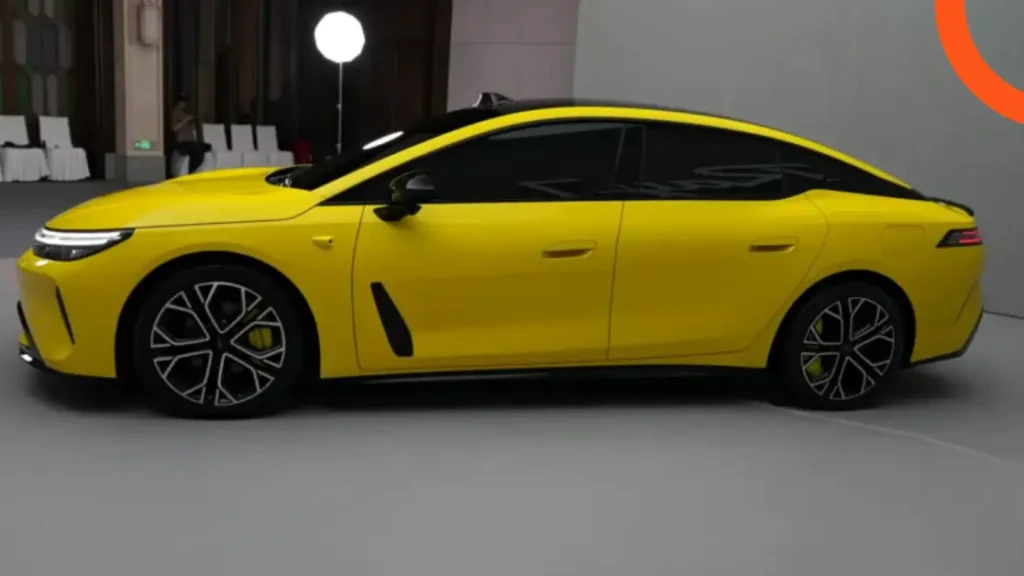
The GAC Aion Ray 7 relies on a fully electric powertrain with rear-wheel drive, drawing its power from a single electric motor supplied by Huawei, with a maximum output of 180 kW (241 hp). The motor is connected to the integrated Huawei DriveONE electric drive system, providing responsive electric performance while maintaining powertrain efficiency.
At the chassis level, the Ray 7 benefits from Alfa Romeo’s expertise in tuning driving dynamics, with an aluminum double-wishbone front suspension and a five-link multi-link rear suspension, alongside adaptive FSD dampers and stabilizer bars at the front and rear.
The car also comes with the Huawei EMB electromechanical braking system, in addition to Huawei iTRACK technology for intelligent torque control, which helps limit wheel slip on wet or snowy roads. GAC Aion says the car can stop from 100 km/h within 33 meters.
The following table shows the mechanical specifications of the GAC Aion Ray 7:
| Specification | Details |
|---|---|
| Powertrain type | Fully electric |
| Drive system | Rear-wheel drive |
| Number of motors | One electric motor |
| Motor source | Huawei |
| Maximum power | 180 kW (241 hp) |
| Electric drive system | Huawei DriveONE |
| Battery type | LFP |
| Battery supplier | CATL |
| Electric range | 700 km CLTC |
Electric Range
The GAC Aion Ray 7 comes with a CATL LFP battery, incorporating GAC Aion’s proprietary Magazine Battery 2.0 technology to enhance safety levels. The car offers an electric range of up to 700 kilometers according to the CLTC cycle, with energy consumption of 9.7 kWh per 100 kilometers.
The system also uses a new-generation thermal management system and an integrated 28-in-1 thermal unit to help improve energy efficiency and manage temperatures.
Exterior Design
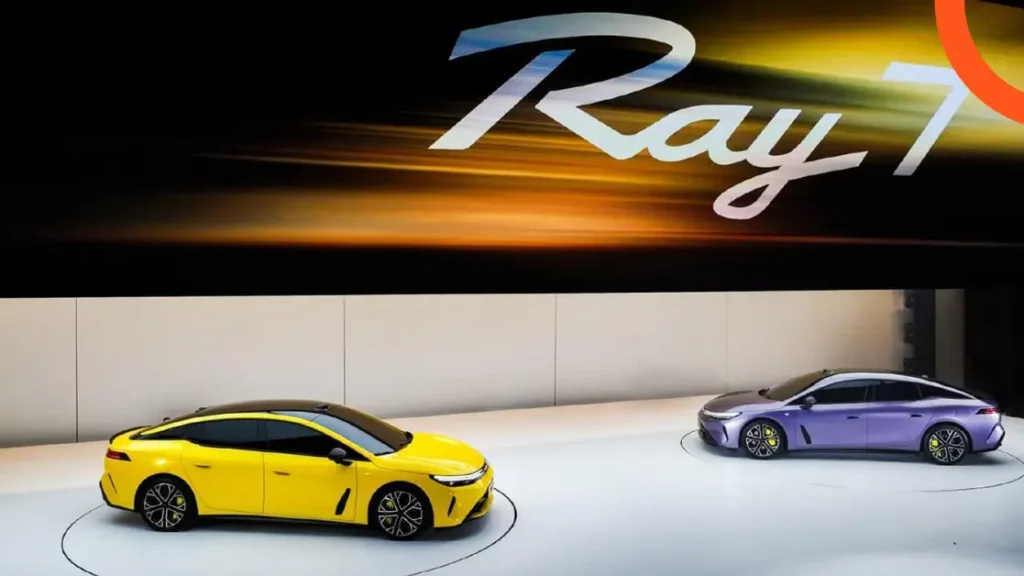
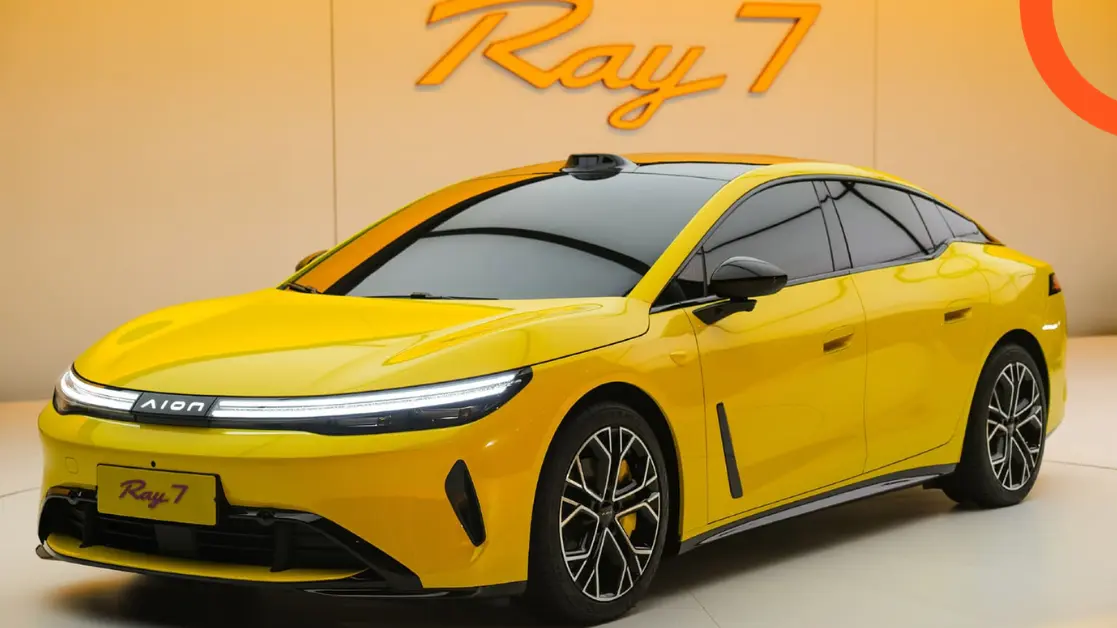
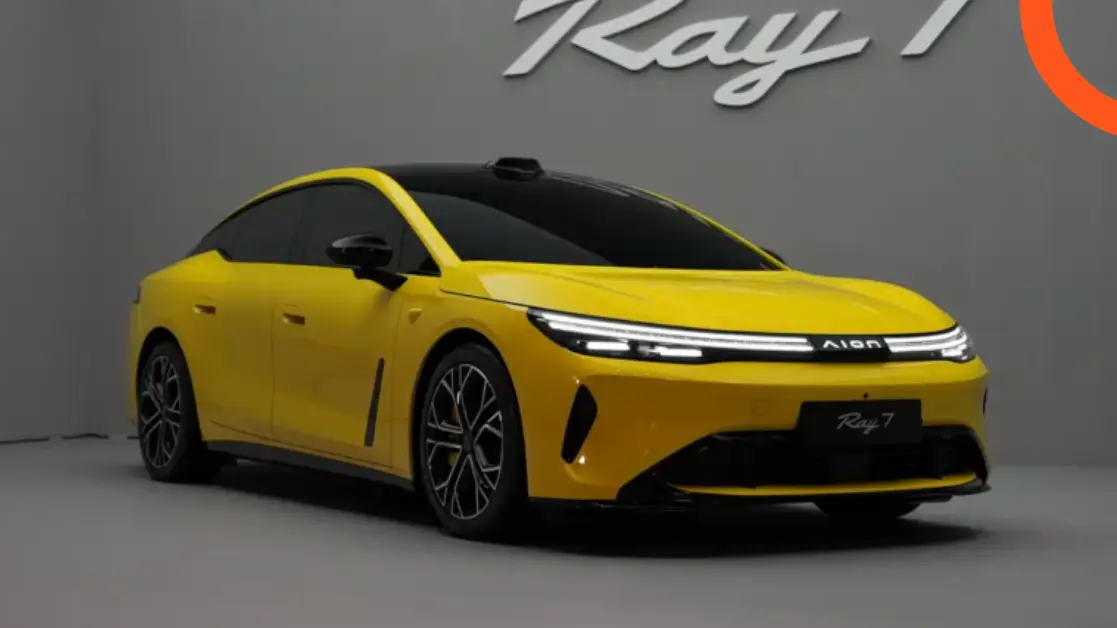
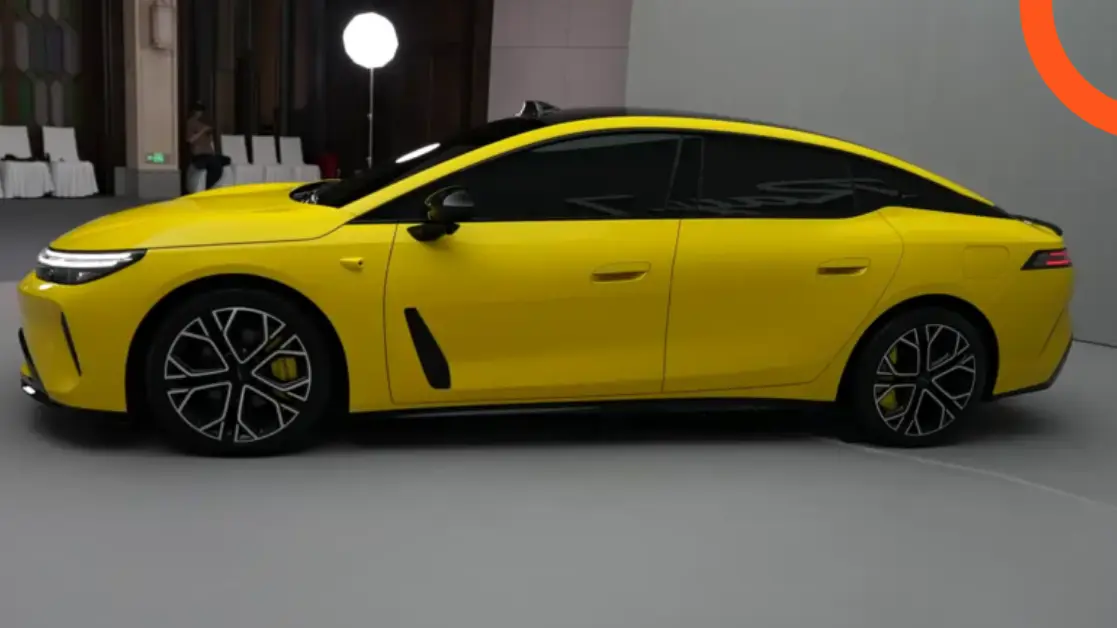
The GAC Aion Ray 7 adopts a low, sporty Fastback design with a wide body and streamlined lines, delivering a more dynamic appearance that aligns with the direction of the new Ray series. The car also represents a new stage in the brand’s identity, as it is the first model to feature the updated GAC Aion logo.
Key exterior design features:
- Front fascia: A full-width light bar featuring a Star-Ring design, centered by an illuminated Aion logo.
- Grille and lower section: A closed front fascia with a trapezoidal lower opening, glossy black accents, and a sporty lower blade, in addition to side air ducts.
- Side design: A sloping Fastback-style roof, semi-hidden door handles, and five-spoke twin wheels with yellow brake calipers.
- Rear lights: A full-width light bar across the rear, centered by the Aion logo to maintain visual harmony with the front fascia.
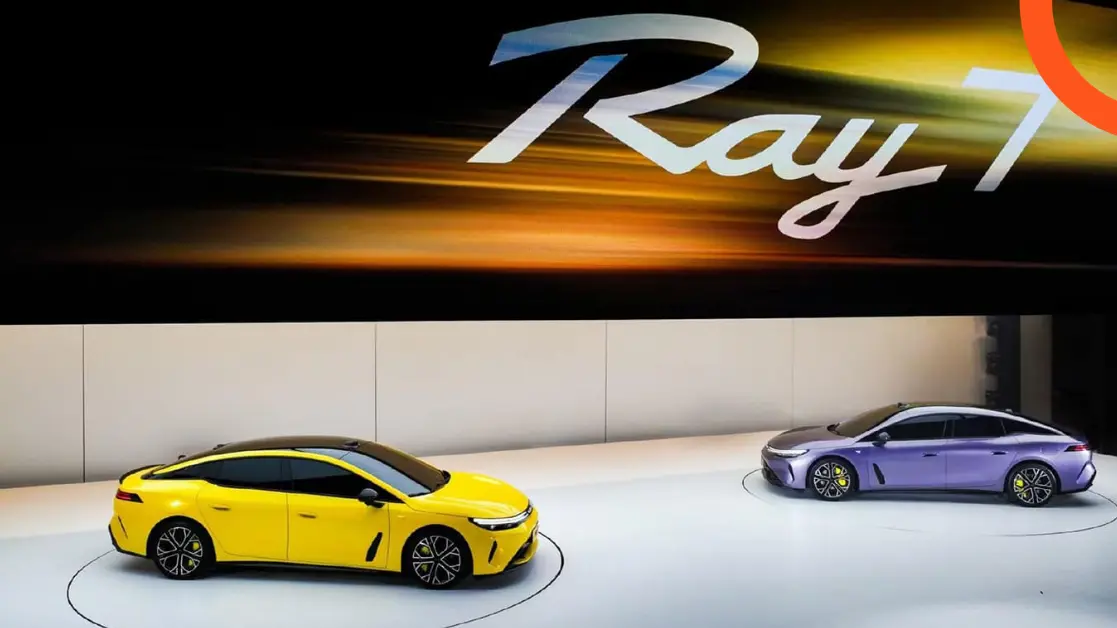
- Colors: The car is available in Lightning Yellow and Midsummer Purple.
- Aerodynamics: The car features 14 aerodynamic treatments that helped achieve a drag coefficient of 0.22.
These elements give the Ray 7 a distinct sporty presence while retaining the streamlined lines that also contribute to the electric car’s efficiency.
Exterior Dimensions
The dimensions of the GAC Aion Ray 7 reflect its size as a midsize-to-large sedan, with the following exterior specifications:
| Specification | Details |
|---|---|
| Length | 4,960 mm |
| Width | 1,900 mm |
| Height | 1,455 mm |
| Wheelbase | 2,920 mm |
| Number of seats | 5 |
| Drag coefficient | 0.22 |
Interior Design
GAC Aion has not yet revealed all the details of the Ray 7’s interior, but the car combines a simple design with a youthful character that aligns with the new identity of the Ray series.
The key interior design features revealed so far include:
- The cabin accommodates five passengers, while the 2,920 mm wheelbase provides suitable interior space.
- The interior adopts a modern and minimalist approach that complements the car’s sporty character and Fastback body.
- The cabin reflects the new identity of GAC Aion, coinciding with the Ray 7’s introduction as the first model to carry the brand’s updated logo.
Smart Technologies for Enhanced Driving and Safety
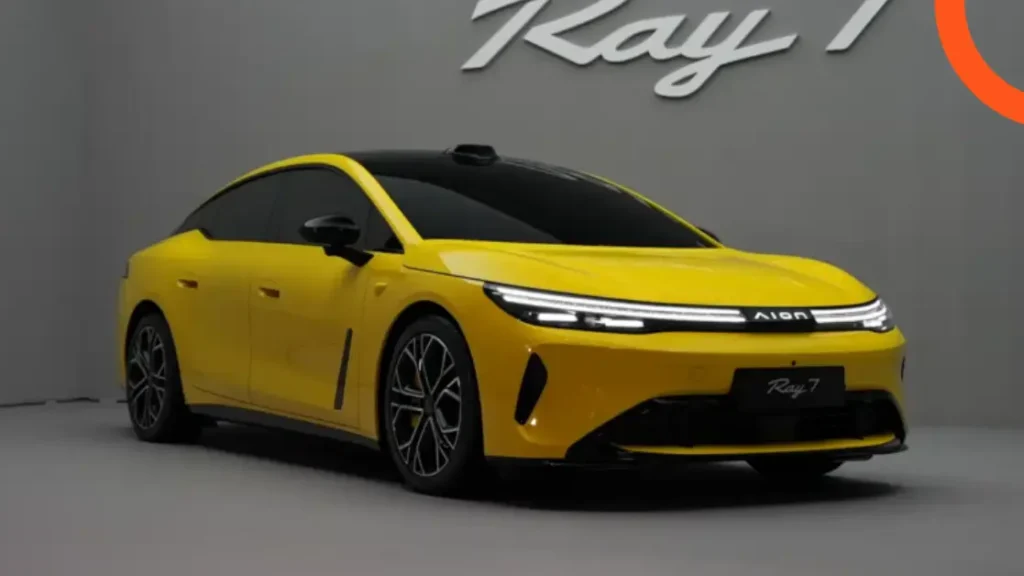
The GAC Aion Ray 7 relies on an advanced package of sensing, intelligent driving, and control technologies, integrating systems from Huawei and WeRide to enhance the car’s ability to monitor its surroundings and handle various driving scenarios.
- The car features 27 automotive-grade sensors, including a Huawei 192-channel LiDAR and three 4D millimeter-wave radars to provide comprehensive coverage of the vehicle’s surroundings.
- The intelligent driving algorithms are based on a technical platform connected to WeRide systems used in Level 4 (L4) autonomous taxis.
- The car supports autonomous point-to-point driving, along with searching for parking spaces and automatically passing through parking garage gates.
- The intelligent driving systems are designed to handle complex urban scenarios, including narrow streets, turns on one-way roads, and certain lane-change maneuvers.
- The Ray 7 uses the Huawei EMB electromechanical braking system and has a stopping distance of 33 meters from 100 km/h, according to GAC Aion.
- The company says the braking system can safely stop the car even if all four wheels experience failures.
- The Huawei iTRACK intelligent torque control system helps reduce wheel slip, particularly on wet or snowy roads.
- The battery system incorporates GAC Aion’s proprietary Magazine Battery 2.0 technology, with an LFP battery from CATL.
Price and Launch Date
GAC Aion has not yet revealed the official price of the Ray 7, although estimates suggest that it will be positioned in a price range of 200,000 to 250,000 Chinese yuan (approximately 111,600 to 139,500 Saudi riyals).
Also, the car has officially appeared before the public at the 2026 Chengdu Motor Show, while its commercial launch date has not yet been announced.
Key Competitors
The GAC Aion Ray 7 enters direct competition in the electric sedan segment, particularly with models targeting the same price bracket in the Chinese market. The most prominent include:
- Xiaomi SU7
- ZEEKR 007
- Shangjie Z7
Who Is the GAC Aion Ray 7 Suitable For?
The GAC Aion Ray 7 is particularly suitable for those seeking an electric sedan that combines long range, advanced technologies, and a sporty character. The key groups it may suit include:
- Those who want a long-range electric car capable of traveling up to 700 km according to the CLTC cycle.
- Those who prefer electric performance and rear-wheel drive with 241 horsepower.
- Those interested in intelligent driving technologies and advanced sensing systems.
- Those looking for a car that combines sporty design with a modern identity.
- Those interested in Huawei technologies in the powertrain, braking, and intelligent driving systems.
- Those who want an electric sedan suitable for daily use, with a focus on efficiency and low energy consumption.
Frequently Asked Questions
How much power does the GAC Aion Ray 7 produce?
The car produces 180 kW, equivalent to 241 horsepower, from a single Huawei electric motor, with rear-wheel drive.
What is the range of the GAC Aion Ray 7?
The Ray 7 offers a range of up to 700 kilometers according to the CLTC cycle, with a stated consumption of 9.7 kWh per 100 kilometers.
What are the key Huawei technologies in the Ray 7?
The car benefits from a Huawei motor and Huawei DriveONE powertrain, in addition to the Huawei EMB braking system and Huawei iTRACK intelligent torque control system, as well as a Huawei LiDAR system with 192 channels.
How much does the GAC Aion Ray 7 cost?
GAC Aion has not yet announced the car’s official price, but expectations point to a price between 200,000 and 250,000 Chinese yuan.
When will the GAC Aion Ray 7 be launched?
GAC Aion has not yet announced the car’s official launch date, while the Ray 7 appeared before the public at the 2026 Chengdu Motor Show.
Conclusion
The GAC Aion Ray 7 represents a new step for the brand toward offering a sportier and smarter electric sedan, with a modern Fastback design, a rear-wheel-drive powertrain producing 241 horsepower, and a range of up to 700 kilometers according to CLTC. Its appeal is further enhanced by Huawei technologies covering the powertrain, braking, and intelligent driving systems, in addition to a sensing system comprising 27 sensors.
With an expected price ranging from 200,000 to 250,000 Chinese yuan (approximately 111,600 to 139,500 Saudi riyals), the Ray 7 is preparing to compete with prominent names such as the Xiaomi SU7 and ZEEKR 007, while its commercial launch date and official price remain undisclosed.
Images