Toyota Prius 2027: Key Specs and Trims
The 2027 Toyota Prius is no longer a car defined solely by fuel efficiency; today, it offers a more mature formula that competes for the attention of Saudi drivers seeking an economical car capable of handling daily use and long journeys.
The conventional hybrid version comes with a 2.0-liter engine within a system that produces 194 horsepower with front-wheel drive and 196 horsepower with all-wheel drive, accelerating from 0 to 100 km/h in 7.2 seconds, while fuel efficiency reaches approximately 23.4 km/l in the LE trim.
For those who want to make greater use of electric power, the Prius offers a Plug-in Hybrid version producing up to 220 horsepower and providing an electric range of 71 km in the SE trim. This allows owners to cover a significant portion of their daily travel using electric power when regular charging is available, while retaining the gasoline engine for longer journeys.
The 2027 Prius starts at approximately SAR 107,831, making it a notable option for those seeking to combine efficiency and hybrid technology without switching to a fully electric car.
Browse the best 2027 Toyota Prius deals in Saudi Arabia
Specifications Table
| Specification | 2027 Prius Hybrid | 2027 Prius Plug-in Hybrid |
|---|---|---|
| Engine | 2.0-liter, 4-cylinder | 2.0-liter, 4-cylinder |
| Total power |
| 220 hp |
| Engine torque | 188 Nm | 188 Nm |
| Transmission | ECVT | ECVT |
| Drivetrain |
| Front-wheel drive |
| 0–97 km/h acceleration |
| — |
| Battery | Lithium-ion, 222 volts | Lithium-ion, 13.6 kWh |
| Electric motor power | 111 hp | 161 hp |
| Electric range | — |
|
| Combined fuel consumption |
|
|
| Charging time | — |
|
| Fuel tank capacity | 42.8 liters | 40.1 liters |
| Number of seats | 5 | 5 |
| Cargo space |
| Approximately 575 liters |
| Length | 4,600 mm | 4,600 mm |
| Width | 1,783 mm | 1,781–1,783 mm |
| Height | 1,420–1,430 mm | 1,420–1,430 mm |
| Wheelbase | 2,751 mm | 2,751 mm |
| Ground clearance | 142–152 mm | 142–152 mm |
| Drag coefficient | 0.27–0.29 | 0.27–0.29 |
| Number of seats | 5 | 5 |
Power and Performance
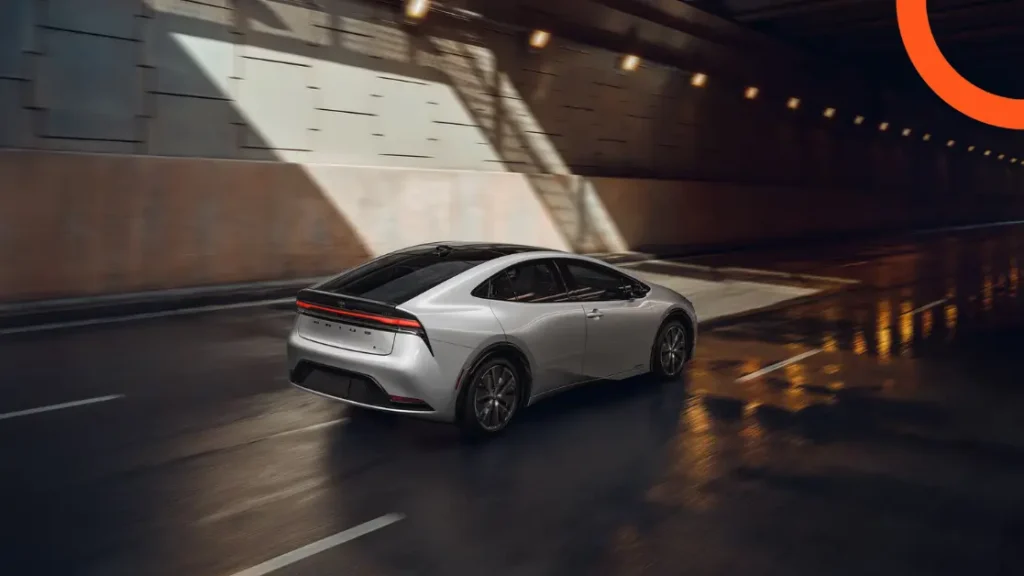
The 2027 Toyota Prius offers two different personalities under the same name. The conventional hybrid version relies on a system producing 194 horsepower with front-wheel drive, rising to 196 horsepower with all-wheel drive AWD, while the Plug-in Hybrid version increases total output to 220 horsepower.
In both cases, the 2.0-liter engine is paired with an ECVT, but the plug-in version adds a stronger 161-hp electric motor, giving it a more responsive and noticeable performance during acceleration.
The Prius Plug-in Hybrid does not only offer more power; it also delivers more pronounced performance than the conventional hybrid. The hybrid Prius can accelerate from 0 to 100 km/h in 7.2 seconds with front-wheel drive and 7.0 seconds with all-wheel drive, while the Plug-in system provides higher power for those seeking a combination of efficiency and stronger responsiveness.
The following table shows the power and performance specifications of the 2027 Toyota Prius:
| Specification | 2027 Prius Hybrid | 2027 Prius Plug-in Hybrid |
|---|---|---|
| Engine | 2.0-liter, 4-cylinder | 2.0-liter, 4-cylinder |
| Total power |
| 220 hp |
| Transmission | ECVT | ECVT |
| Drivetrain | FWD / AWD | FWD |
| 0–100 km/h acceleration |
| — |
| Battery | Lithium-ion | Lithium-ion, 13.6 kWh |
| Electric range | — |
|
| Combined fuel consumption |
|
|
| Charging | — |
|
| Fuel tank capacity | 42.8 liters | 40.1 liters |
The following figures show that the primary difference between the two versions lies in how they use energy, which determines which one is more suitable for each driver. The conventional hybrid Prius charges its battery while driving and uses electric power to support the gasoline engine and improve efficiency, making it suitable for those who want a practical hybrid experience without planning charging stops or searching for a charging station.
The Prius Plug-in Hybrid comes with a larger 13.6-kWh battery that can be charged externally, providing an electric range of up to 71 km in the SE and approximately 63 km in the XSE and XSE Premium.
Therefore, if daily use involves distances that can be covered within this range and charging is available at home or work, the Plug-in Hybrid gives its owner a greater opportunity to rely on electric driving for daily trips while retaining the gasoline engine for longer journeys.
For those without regular charging access or who want an efficient hybrid vehicle without changing their driving habits, the conventional hybrid Prius is the simpler and more logical choice.
Fuel Efficiency
Fuel efficiency is one of the key strengths of the 2027 Toyota Prius, particularly in the LE trim, which achieves an estimated combined consumption of 23.4 km/l, compared with approximately 21.7 km/l in the higher XLE, Nightshade, and Limited trims.
This means that the Prius does not rely on its hybrid system solely to deliver better performance; it primarily uses it to reduce fuel consumption, giving it a clear advantage for drivers who cover long daily distances in cities and on Saudi highways.
Battery Range
The 2027 Prius Plug-in Hybrid provides an electric range of up to 71 km in the SE trim and approximately 63 km in the XSE and XSE Premium trims, making it suitable for those who can charge it regularly and want to rely on electric power for part of their daily travel.
Exterior Design
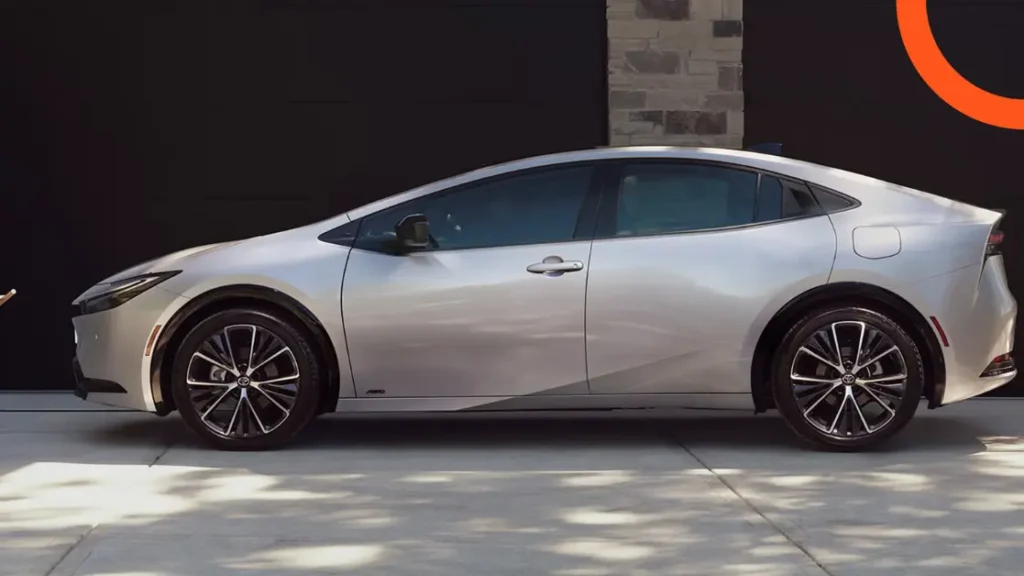
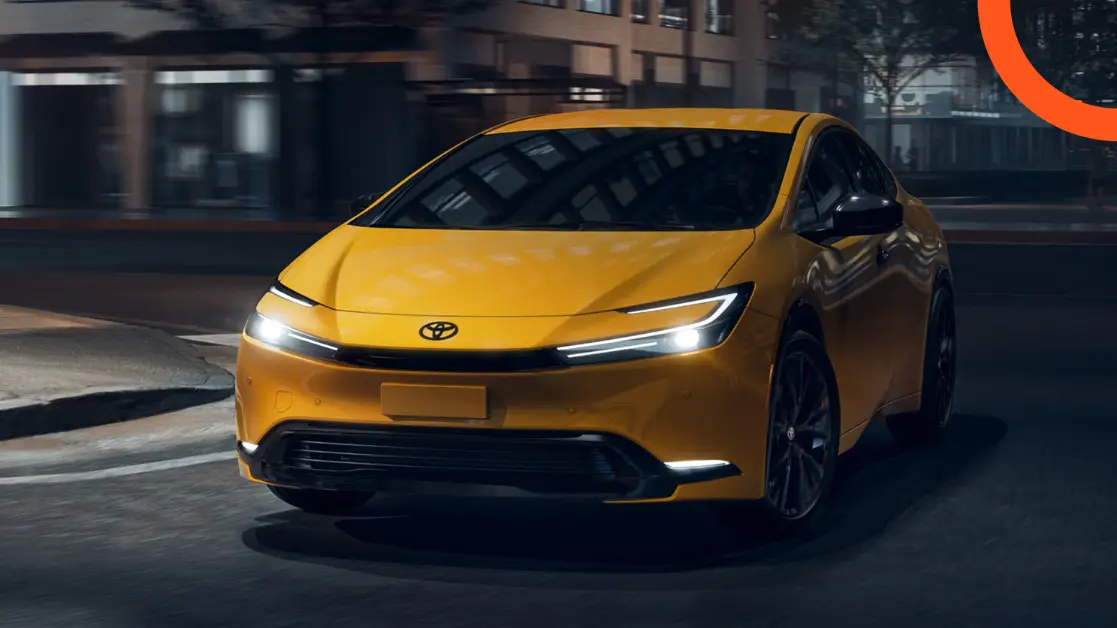
The 2027 Toyota Prius adopts a lower and more streamlined design than the traditional image associated with previous generations, an approach that serves both aesthetic and functional purposes. The car is approximately 4.60 meters long with a 2.75-meter wheelbase, while its height ranges from 1.42 to 1.43 meters, giving it a low stance and helping improve aerodynamic efficiency, particularly with a drag coefficient starting at 0.27 in some trims.
Key exterior design elements:
- Bi-LED headlights with automatic high beams, with some functions varying by trim.
- LED daytime running lights and LED taillights giving the car a complete lighting identity.
- Body-colored door handles, while the Nightshade receives black handles and black exterior accents to enhance its sporty character.
- 17-inch wheels on the LE, compared with 19-inch wheels on the XLE, Nightshade, and Limited.
- A fixed glass roof available on the XLE and Nightshade and standard on the Limited.
- Power-folding and heated side mirrors on all trims.
- Darker bumpers and exterior accents on the Nightshade, along with black badges and a black-finish roof antenna.
- Front bumpers equipped with Active Grille Shutters on all trims, consistent with the Prius’s focus on aerodynamic efficiency.
In practical terms, the Prius’s low and streamlined design is not only about appearance; it helps reduce air resistance while driving, supporting fuel efficiency, especially on highways.
As for the wheels, the higher trims receive 19-inch wheels that give the car a stronger presence, while the LE uses 17-inch wheels that better align with its focus on efficiency.
Exterior Dimensions
Looking at its dimensions, the 2027 Prius reveals a relatively low design with a good wheelbase compared with the vehicle’s length, which enhances its road presence and the space available inside the cabin. Some dimensions vary slightly by trim, particularly height and ground clearance.
The following table shows the exterior dimensions of the 2027 Toyota Prius:
| Dimension | 2027 Prius |
|---|---|
| Length | 4,600 mm |
| Width | 1,783 mm |
| Height – LE | 1,420 mm |
| Height – XLE / Nightshade / Limited | 1,430 mm |
| Wheelbase | 2,751 mm |
| Ground clearance – LE | 142 mm |
| Ground clearance – XLE / Nightshade / Limited | 152 mm |
| Drag coefficient – LE | 0.27 |
| Drag coefficient – XLE / Nightshade / Limited | 0.29 |
| Front track | 1,562 mm |
| Rear track | 1,580 mm |
| Front overhang | 973 mm |
| Rear overhang | 874 mm |
Interior Design
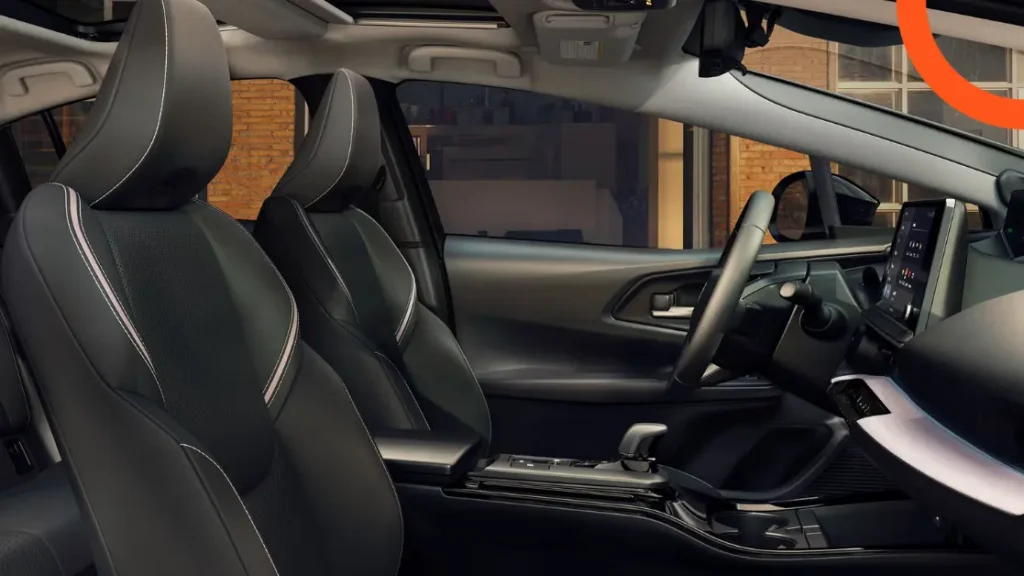
The 2027 Toyota Prius offers a modern and practical cabin focused on providing suitable space for everyday use rather than exaggerating its luxury character. The car seats five passengers, while the 60/40 split-folding rear seats add flexibility when carrying luggage or large items.
Key interior design features:
- A cabin accommodating five passengers with a practical layout for daily use.
- 60/40 split-folding rear seats, providing greater flexibility when carrying luggage and large items.
- Cloth seats in the LE, while higher trims receive SofTex seats for greater comfort.
- Heated front seats in the XLE and Nightshade, with ventilation added in the Limited.
- Eight-way power driver’s seat and six-way front passenger seat in the XLE and Limited.
- Driver’s seat memory in the Limited, with heated rear seats available.
- Dual-zone climate control available on all trims.
- A practical center console with an armrest and storage spaces.
- Cargo space of up to approximately 674 liters in the LE, compared with approximately 575 liters in higher trims.
- Optional fixed glass roof on the XLE and Nightshade, standard on the Limited.
- Distinctive black finishes and accents in the Nightshade, giving the cabin a darker and sportier character.
Regardless of differences in materials and equipment levels, all 2027 Prius trims share several practical elements, most notably dual-zone climate control and storage spaces in the center console.
As for cargo space, it is greatest in the LE, while the higher trims offer additional comfort equipment and features in exchange for slightly less rear storage space.
Technology and Entertainment
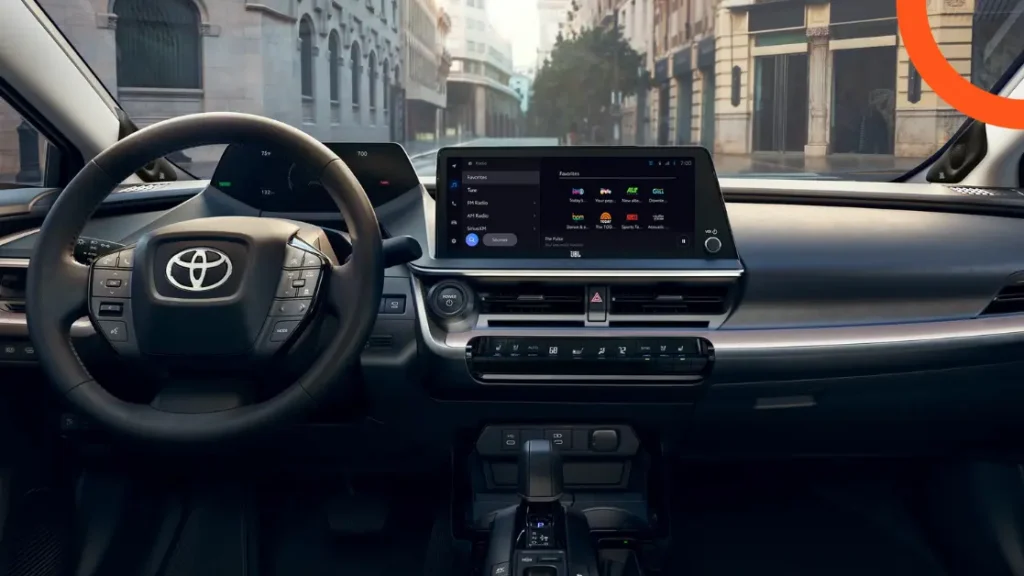
The 2027 Toyota Prius offers a technology package that varies by trim, beginning with basic equipment in the LE and gradually increasing up to the Limited, which receives a larger screen and JBL audio system, along with a range of connected services. The Prius thus retains its practical focus while providing higher digital equipment levels in the upper trims for those seeking a more advanced user experience.
Key technology and entertainment features:
- 8-inch Toyota Audio Multimedia screen in the LE, XLE, and Nightshade.
- Optional 12.3-inch screen in the XLE and Nightshade, standard in the Limited.
- 7-inch LCD driver information display available on all trims.
- Wireless Apple CarPlay and Android Auto support.
- Six-speaker audio system in most trims, compared with eight JBL speakers in the Limited.
- Qi wireless phone charging in the XLE, Nightshade, and Limited.
- Six USB-C ports distributed throughout the cabin.
- Digital Key functionality in the XLE and Nightshade, standard in the Limited.
- Connected and remote-control services through Toyota’s connected system, with trial periods varying by service and trim.
Safety and Security
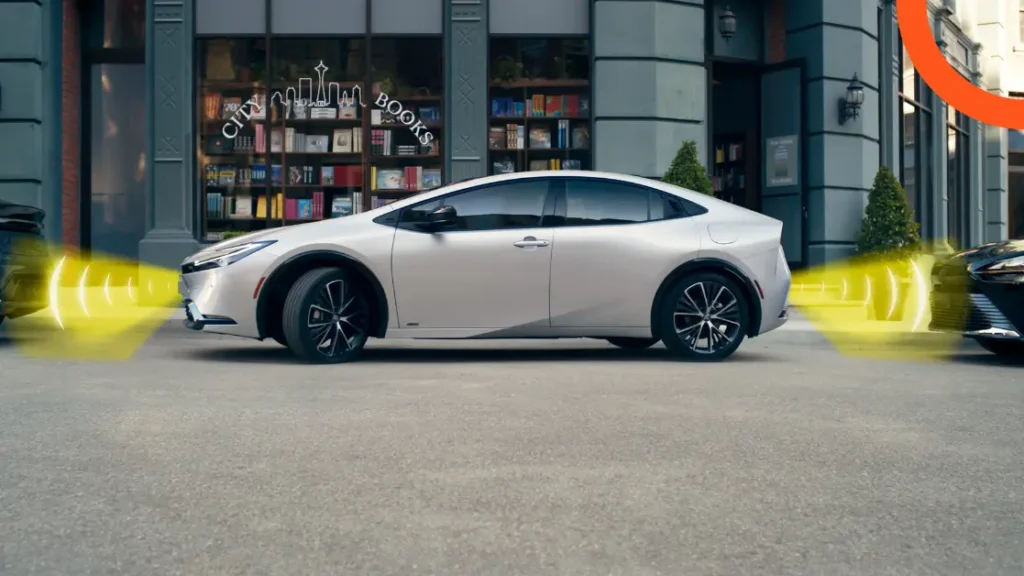
The 2027 Prius relies on a wide range of standard safety systems across all trims, making differences in safety equipment more related to advanced systems available on higher trims than to basic features. Toyota Safety Sense 3.0 is at the forefront of this equipment, offering a range of driver-assistance and collision-avoidance systems.
Key safety and security features:
- Toyota Safety Sense 3.0 standard on all trims.
- Pre-collision warning system with pedestrian detection.
- Full-speed-range dynamic radar cruise control.
- Lane departure alert with steering assist.
- Lane Tracing Assist.
- Road Sign Assist.
- Automatic high-beam headlights.
- Proactive Driving Assist system.
- Blind-spot monitoring with Blind Spot Monitoring and Rear Cross-Traffic Alert.
- Safe Exit Alert.
- Eight airbags.
- Standard rearview camera.
- Parking assist with automatic braking, optional on the LE and standard on higher trims.
- Advanced Park and Panoramic View Monitor cameras available on the Limited as advanced options.
- Vehicle Proximity Notification System.
- Hill Start Assist.
- Rear-seat reminder and tire-pressure monitoring.
2027 Toyota Prius Trims and Prices
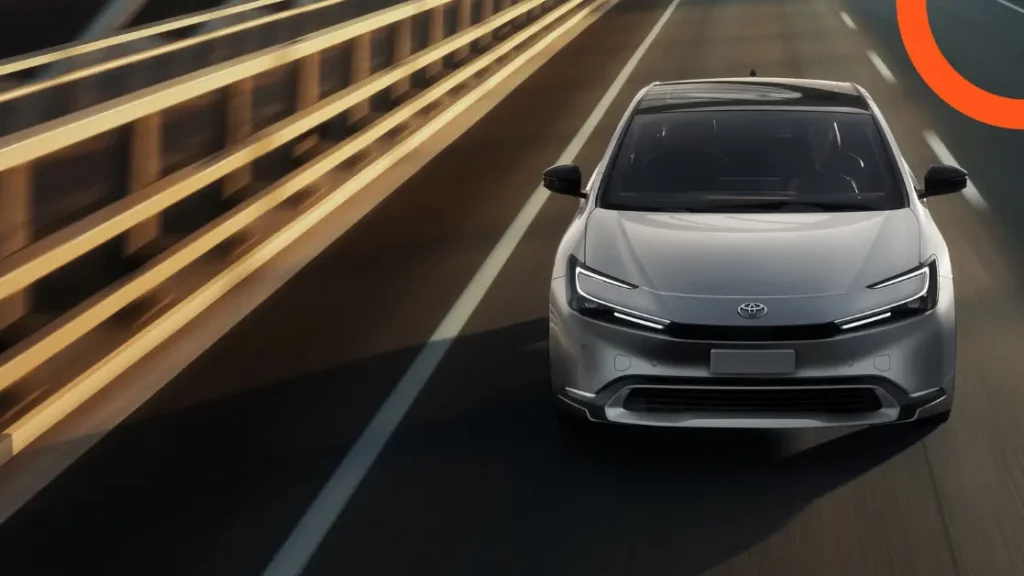
The 2027 Toyota Prius lineup ranges from conventional hybrid trims focused on efficiency and ease of use to a plug-in hybrid version that adds the ability to drive on electric power for a longer distance.
The lineup starts with the LE trim as the option most focused on value and efficiency, while equipment levels gradually increase up to the Limited and XSE Premium, which add more comfort, technology, and premium features.
The following table highlights the main differences between the trims:
| Version and trim | Key features | Price in USD | Equivalent in SAR |
|---|---|---|---|
| Prius Hybrid LE |
| $28,755 | SAR 107,831 |
| Prius Hybrid XLE |
| $32,200 | SAR 120,750 |
| Prius Hybrid Nightshade |
| $33,005 | SAR 123,769 |
| Prius Hybrid Limited |
| $35,770 | SAR 134,138 |
| Prius Plug-in Hybrid SE |
| $33,980 | SAR 127,425 |
| Prius Plug-in Hybrid XSE |
| $37,230 | SAR 139,613 |
| Prius Plug-in Hybrid XSE Premium |
| $40,675 | SAR 152,531 |
The prices listed in Saudi riyals are estimates, as prices for the 2027 Toyota Prius in Saudi Arabia have not yet been announced. The article will be updated with the official trims and prices once they are announced in the Kingdom.
How do you choose the right 2027 Prius trim?
Choosing a 2027 Prius trim primarily depends on how you use the car, not only on the amount of equipment. The appropriate trim can therefore be determined according to your priority among efficiency, comfort, design, and electric-driving capability.
We recommend choosing the right trim according to the following criteria:
- If efficiency and price are your priorities: The Hybrid LE is the most logical choice, particularly because of its higher fuel efficiency compared with the other trims.
- If you want a balance between price and equipment: The Hybrid XLE offers a suitable middle ground with SofTex seats, heated front seats, and additional comfort features.
- If design is important to you: The Hybrid Nightshade adds black accents and 19-inch wheels, giving the Prius a more distinctive personality without moving to the highest trim.
- If you want the highest equipment level in the conventional hybrid: The Hybrid Limited is the most suitable choice, particularly with heated and ventilated front seats, the larger screen, and the JBL audio system.
- If you can charge daily: Choose at least the Plug-in Hybrid SE, which allows you to benefit from an electric range of up to 71 km before the gasoline engine is needed.
- If you want electric driving with higher equipment: The Plug-in Hybrid XSE offers a better balance between electric range and comfort and equipment levels.
- If you want the Prius with the highest possible specifications: The Plug-in Hybrid XSE Premium combines the plug-in drivetrain with the highest level of equipment and comfort, but it also has the highest price in the lineup.
Is the 2027 Toyota Prius Worth Buying?
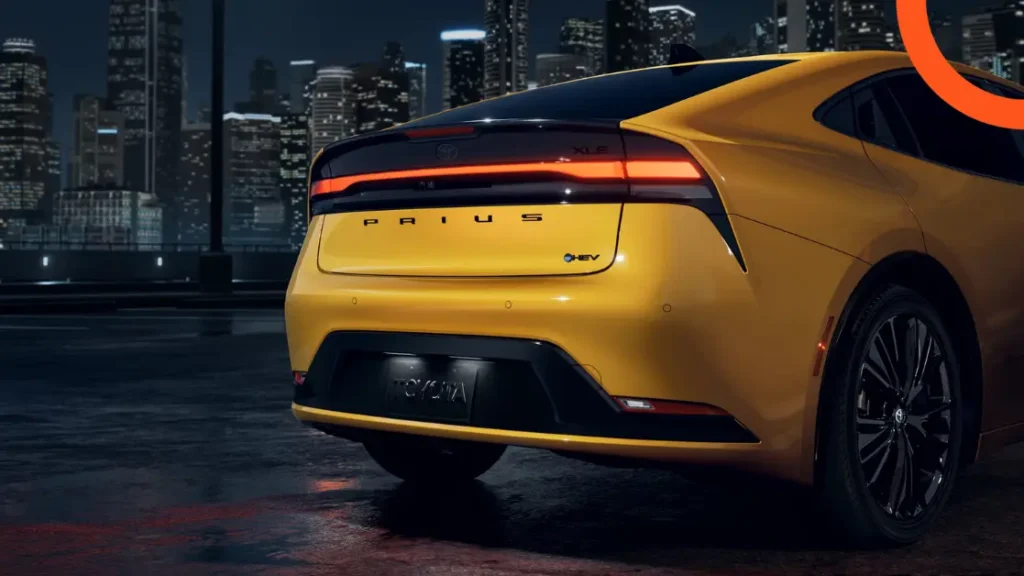
We believe the 2027 Toyota Prius is worth serious consideration for those seeking a hybrid car focused on efficiency and ease of daily use, especially since the conventional hybrid version does not require external charging and achieves consumption of approximately 23.4 km/l in the LE trim.
The car also offers suitable performance for daily use, producing up to 194 horsepower with front-wheel drive and 196 horsepower with all-wheel drive.
The Prius becomes even more appealing to those who can benefit from the Plug-in Hybrid version, which provides a 13.6-kWh battery and an electric range of up to 71 km in the SE trim. This makes it more capable of relying on electric power for daily travel, provided regular charging is available.
Key reasons why the 2027 Prius is worth buying:
- High fuel efficiency of approximately 23.4 km/l in the Hybrid LE.
- A practical hybrid system that does not require external charging in the conventional version.
- Stronger performance than the Prius’s traditional image, with 194 horsepower or 220 horsepower in the Plug-in Hybrid.
- Electric range of up to 71 km in the Plug-in Hybrid SE.
- Multiple trim options allowing a balance between price, efficiency, and equipment level.
- Toyota Safety Sense 3.0 and advanced safety features available across all trims.
- Streamlined design supporting efficiency, with a drag coefficient of up to 0.27 in some trims.
Steps to Buy the 2027 Toyota Prius Through Syarah
The 2027 Toyota Prius can be purchased online through the Syarah website once the car becomes available, using simple steps ranging from selecting the right trim to completing payment and delivery procedures. If the 2027 model is not yet available, you can also browse previous new and used Prius models available on the website.
Browse the best Toyota Prius deals in Saudi Arabia
1. Search for the 2027 Toyota Prius
Start by visiting the Syarah website and searching for the 2027 Toyota Prius, then review the available trims and compare their specifications, equipment, and prices.
2. Review the vehicle details
After finding the right vehicle, review its details, specifications, equipment, and price to make sure it meets your needs and budget.
3. Reserve the 2027 Toyota Prius
When the vehicle is available and you find the right trim, click the “Book Now” option to proceed with the reservation and enter the required information.
4. Select a payment method
Choose the appropriate way to complete the purchase, whether by cash payment or by applying for financing, then enter the required information and complete the reservation process.
5. Complete the purchase and delivery procedures
After completing the reservation, the sales team will contact you to finalize the purchase or financing procedures and coordinate vehicle delivery.
Frequently Asked Questions
Is the 2027 Toyota Prius hybrid or electric?
The 2027 Prius is available in two versions: a conventional Hybrid and a Plug-in Hybrid. The former does not require external charging, while the latter can be charged to provide an electric range of up to 71 km.
How much power does the 2027 Toyota Prius produce?
The conventional hybrid version produces 194 horsepower with front-wheel drive and 196 horsepower with all-wheel drive, while the Plug-in Hybrid produces up to 220 horsepower.
How much fuel does the 2027 Toyota Prius consume?
The Hybrid LE achieves approximately 23.4 km/l in combined consumption, while the higher trims achieve approximately 21.7 km/l. The Plug-in Hybrid achieves approximately 21.7 km/l in the SE and approximately 20.0 km/l in the XSE and XSE Premium.
What is the 2027 Prius electric range?
The conventional hybrid version does not offer a dedicated electric range for long-distance driving, as it uses electric power to support the gasoline engine. The Plug-in Hybrid provides an electric range of up to 71 km in the SE and approximately 63 km in the XSE and XSE Premium.
Is the 2027 Prius available with all-wheel drive?
Yes, the conventional hybrid version is available with front-wheel drive or AWD, while the Plug-in Hybrid comes with front-wheel drive.
What is the difference between the Prius Hybrid and Plug-in Hybrid?
The primary difference is battery size and external charging capability. The Hybrid charges its battery while driving and uses electricity to support the gasoline engine, while the Plug-in Hybrid has a 13.6-kWh battery that can be charged externally and provides an electric range of up to 71 km.
How long does it take to charge the 2027 Prius Plug-in Hybrid?
Charging takes approximately 11 hours using a 120-volt source and decreases to approximately 4 hours with a 240-volt source.
What is the best 2027 Prius trim?
That depends on your needs. The LE suits those focused on efficiency and price, while the XLE offers a balance between equipment and price, and the Limited suits those seeking a higher level of comfort. Among the Plug-in Hybrid trims, the SE is a suitable entry point for those who want to benefit from electric driving, while the XSE Premium provides the highest equipment level.
Conclusion
The 2027 Toyota Prius offers a balanced combination of high efficiency, sufficient performance for daily use, and modern technology, with two versions that meet different needs. The conventional hybrid remains the simpler choice for those who want to benefit from hybrid-engine efficiency without charging, while the Plug-in Hybrid provides greater flexibility thanks to its ability to travel up to 71 km using electric power.
Given its variety of trims and equipment levels, the 2027 Prius can meet the needs of a wide range of buyers, from those seeking the lowest possible fuel consumption to those wanting a higher level of comfort and equipment.
Ultimately, the choice of version and trim depends on how the vehicle will be used. If efficiency and simplicity are the priorities, the conventional hybrid is the logical choice. If regular charging is available, the Plug-in Hybrid may make better use of the hybrid system’s capabilities.